Fran, Murph, Cindy: the benchmark WODs to know
These workouts have names and serve as a reference all over the world. What's in them and how to use them to track your progress.

The first few weeks decide everything. What to know before your first WOD, and how to progress without rushing.
From the outside, CrossFit looks intimidating: barbells dropping, people collapsing on the floor at the end of a WOD. In reality, every session scales to your level. The beginners who stick with it are the ones who don't try to keep up with the best on day one.
WOD stands for workout of the day. It's usually short, between 10 and 25 minutes, and mixes three families of movement: cardio (running, rowing, jump rope), gymnastics (push-ups, pull-ups, air squats) and weightlifting (deadlifts, cleans, snatches).
Three sessions a week is plenty to start. Your body needs time to adapt to new movements, soreness and intensity. After a few months you can move to four, keeping some easier days.
In the first weeks, expect soreness a day or two after each session. It fades as your body adapts. A walk or a bit of mobility helps you through it, and it's not a reason to push even harder.
Pick a simple WOD and redo it after six weeks. Seeing your time drop or your rounds go up is one of the best motivators there is.
In Volta, every WOD scales from 1 to 5. At level 1 the reps drop so you can finish with good form, and the app suggests moving up when it starts to feel easy.
Like any sport, it takes progressing at your own pace. Prioritize technique, scale the loads and don't aim for exhaustion every session, and you can train with confidence.
Yes. Many WODs use only bodyweight or a kettlebell and dumbbells.
The first improvements (breathing, strength, moving more easily) usually show up within a few weeks of regular training.
These workouts have names and serve as a reference all over the world. What's in them and how to use them to track your progress.
Three acronyms that completely change how a workout feels. What they mean and how to handle each one.
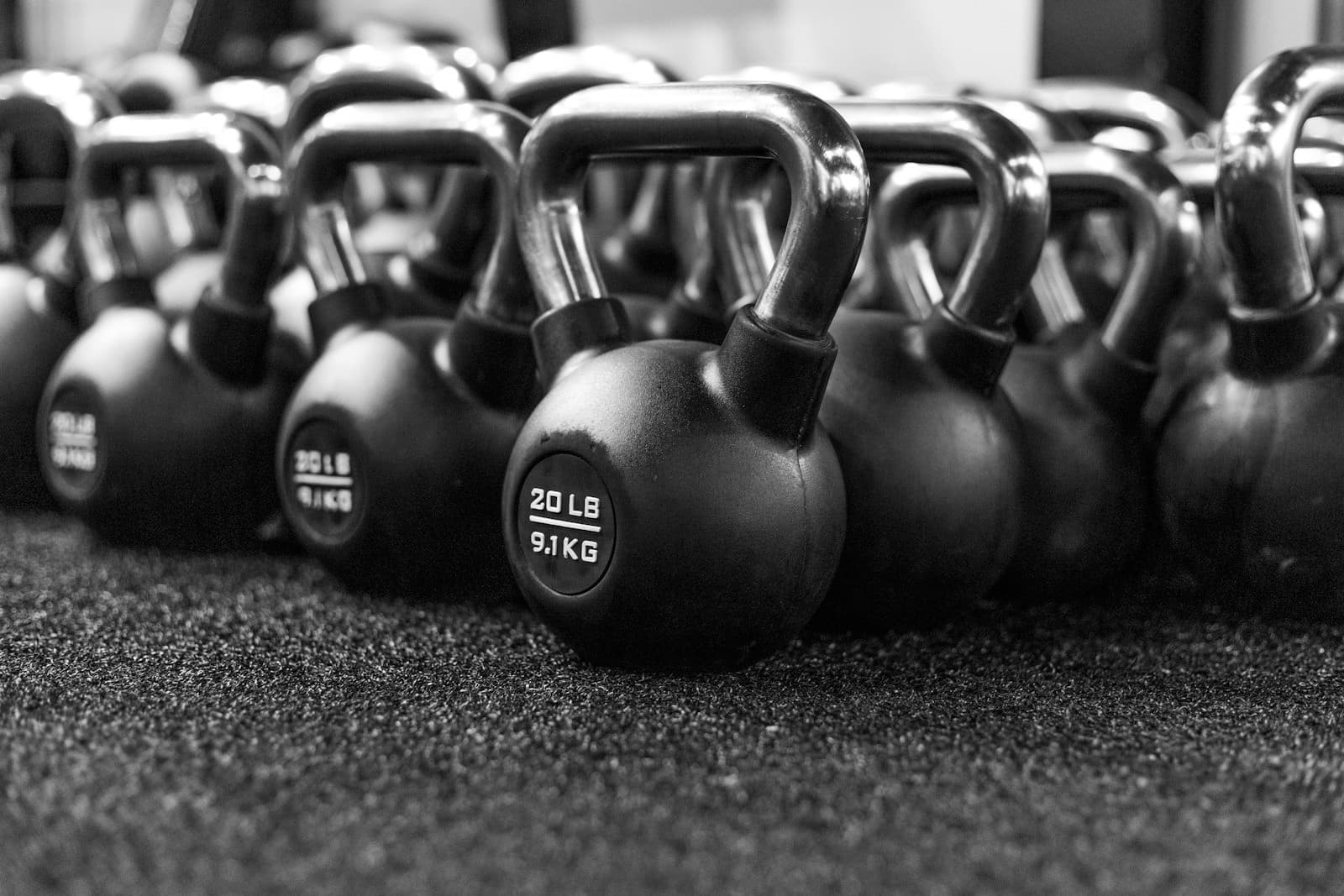
One kettlebell is enough to train your whole body. The five movements to master and the mistakes to avoid.